
When Do Babies Start Walking? A Complete Milestone Guide
Learn the typical walking timeline, early signs your baby is ready, and how to safely encourage those first steps.
Few moments in parenthood rival the thrill of watching your baby take their first independent steps. It is a milestone that symbolizes a dramatic leap in independence, coordination, and confidence. But as exciting as it is, the journey to walking is rarely a straight line. Every child follows their own timeline, and understanding the range of normal can save parents a great deal of unnecessary worry.
The Typical Walking Age Range
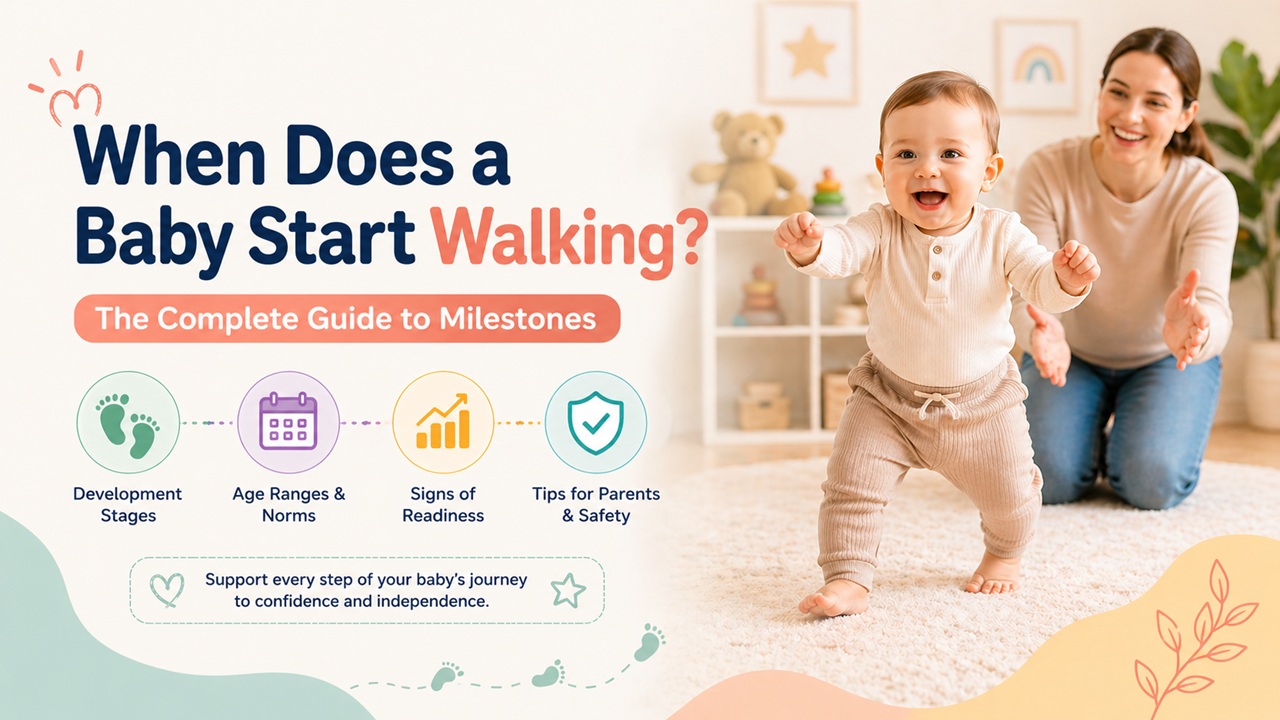
According to the World Health Organization and the American Academy of Pediatrics, most babies take their first independent steps somewhere between 9 and 18 months of age. The average age is around 12 months, but a baby who starts walking at 15 or even 17 months is still within the perfectly normal range. Studies published in the journal Pediatrics have confirmed that the timing of independent walking varies widely across cultures and is influenced by factors such as body proportions, temperament, opportunity for practice, and even the type of surfaces a baby is exposed to.
Premature babies may reach walking milestones later when measured by their birth date, which is why pediatricians use adjusted age—calculated from the baby's original due date—when assessing developmental progress in preemies.
Pre-Walking Signs to Watch For
Walking does not appear out of nowhere. It is the culmination of months of smaller motor achievements. Recognizing these building blocks can help you appreciate the progress your baby is making even before they let go and take that first solo step.
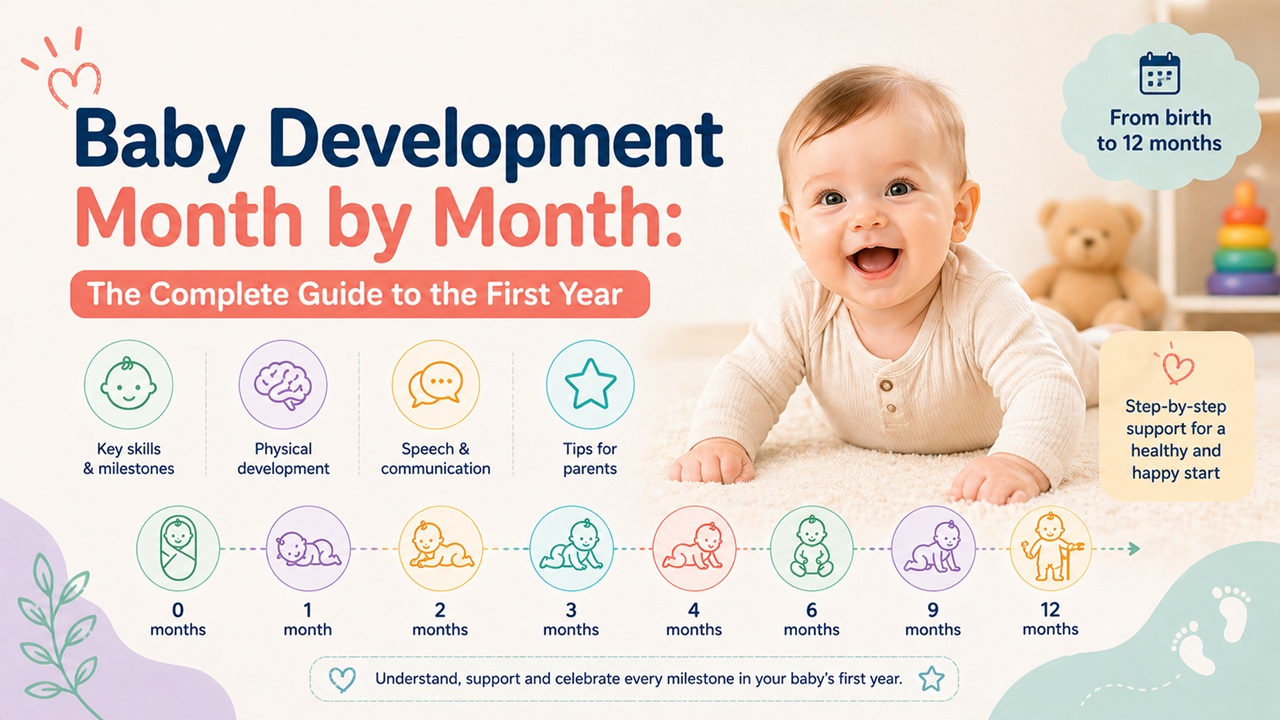
- Rolling and sitting independently (4–7 months): Core strength is the foundation for everything that follows. A baby who can sit upright without support is building the trunk stability needed for standing.
- Crawling or scooting (7–10 months): Not all babies crawl on hands and knees. Some army-crawl, scoot on their bottoms, or skip crawling entirely. All of these approaches develop the bilateral coordination and strength needed for walking.
- Pulling to stand (8–10 months): When your baby grabs the edge of the coffee table or your leg and hauls themselves upright, they are practicing weight-bearing through their legs and refining their balance.
- Cruising (9–12 months): Cruising—sidestepping while holding onto furniture—is a critical bridge between standing and walking. It teaches weight-shifting from one leg to the other, which is the fundamental movement pattern of walking.
- Standing unsupported (10–14 months): Brief moments of hands-free standing signal that your baby's balance system is maturing rapidly. You might notice them letting go of furniture for a second or two before grabbing back on.
Stages of Walking Development
Once a baby begins to walk, the skill evolves through several recognizable stages over the weeks and months that follow.
Early walking (first few weeks): New walkers take wide, stiff-legged steps with their arms held high for balance—often described as the "Frankenstein walk." Falls are frequent and completely normal. Babies at this stage may still prefer crawling when they need to get somewhere quickly.
Gaining confidence (1–2 months after first steps): Steps become narrower and more fluid. Arms begin to drop from the high-guard position to the sides. Your child starts to walk more than crawl and can cover greater distances without sitting down.
Refining the skill (3–6 months after first steps): Toddlers learn to stop and start, change direction, walk while carrying objects, and navigate slight inclines. The gait starts to look more adult-like, with a heel-to-toe pattern replacing the earlier flat-footed stomping.
Advanced mobility (6+ months after first steps): Running, climbing stairs with help, and kicking a ball all begin to appear. Walking is now the default mode of transportation.
How to Encourage Walking Safely
While you cannot rush your baby's developmental timetable, you can create an environment that supports their natural drive to move.
- Provide safe surfaces. Clear a section of floor where your baby can practice without bumping into sharp corners. Low-pile carpet or foam mats offer a forgiving landing surface for inevitable tumbles.
- Skip the baby walker. The American Academy of Pediatrics recommends against traditional baby walkers. Research has shown that they do not accelerate walking and pose a significant injury risk, particularly around stairs. Push-along toys are a much safer alternative.
- Go barefoot indoors. Bare feet help babies grip the floor and develop the intrinsic muscles of the foot. When shoes are needed outdoors, choose flexible-soled options that allow natural foot movement.
- Encourage cruising. Arrange furniture so that your child can move from one piece to another with small gaps in between. This motivates them to let go and bridge the distance.
- Offer your hands—then let go. Hold your baby's hands while they walk toward you, then gradually reduce support to one hand, and finally just a finger. Celebrate every attempt, successful or not.
- Be patient. Pressure does not help. Some babies take a few cautious steps and then revert to crawling for days or weeks before trying again. This is entirely normal.
When Should You Be Concerned?
While the walking window is broad, there are a few signs that warrant a conversation with your pediatrician:
- Your baby is not pulling to stand by 12 months.
- Your child is not walking independently by 18 months (or by 18 months adjusted age for preemies).
- Your baby consistently favors one side of the body when moving.
- Leg muscles seem unusually stiff or unusually floppy.
- Your child was walking and then stopped for an extended period without an obvious cause like illness.
In most cases, late walkers are simply following their own timeline and catch up quickly. Occasionally, a delay may point to a condition that benefits from early intervention, such as low muscle tone or a sensory processing difference, which is why sharing concerns with your pediatrician early is always a good idea.
How Magerly Helps You Track Walking Milestones
Keeping track of all these pre-walking and walking stages can feel overwhelming, especially for first-time parents juggling sleep deprivation and a thousand other responsibilities. Magerly is designed to take the guesswork out of milestone tracking. The app provides age-specific milestone checklists so you know what to look for, and lets you log achievements like pulling to stand, cruising, and first independent steps with a single tap. You can view your child's progress over time, compare it against WHO-referenced timelines, and receive gentle reminders about upcoming milestones.
Magerly also offers daily expert-backed tips tailored to your baby's exact age, including activity suggestions that support gross motor development—precisely the skills that lead to walking. If your pediatrician asks about your child's developmental history during a check-up, having a clear record in the app makes those conversations more productive.
Every Step Counts
Whether your baby walks at 9 months or 17 months, the journey itself is what matters. Each tumble, each tentative reach for the coffee table, each wide-armed toddle across the living room floor is a triumph of neuromuscular development months in the making. Celebrate the small victories along the way, trust the process, and know that your baby will walk when they are ready. And when they do, you will have the joy of watching them discover an entirely new way to explore the world.