
Baby Sleep Regression: Ages, Signs & Survival Tips
Your baby was sleeping great—and suddenly isn't. Here's what's happening, when to expect it, and how to get through it.
Just when you thought you'd figured out your baby's sleep—they were sleeping longer stretches, settling more easily, maybe even sleeping through the night—everything falls apart. The night wakings return with a vengeance. Naps become a battle. Your baby seems wired at bedtime. Welcome to a sleep regression, one of the most exhausting (and most normal) experiences of the first two years.
What Is a Sleep Regression?
A sleep regression is a period when a baby who was previously sleeping well suddenly starts waking more frequently, fighting sleep, taking shorter naps, or refusing to settle at bedtime. Despite the name "regression," these disruptions are actually caused by progression—your baby's brain is undergoing significant developmental changes that temporarily interfere with their ability to sleep.
Sleep regressions are not a sign that you've done something wrong or that your baby's sleep is "broken." They're a normal part of development that virtually every baby goes through to some degree.
Common Sleep Regression Ages
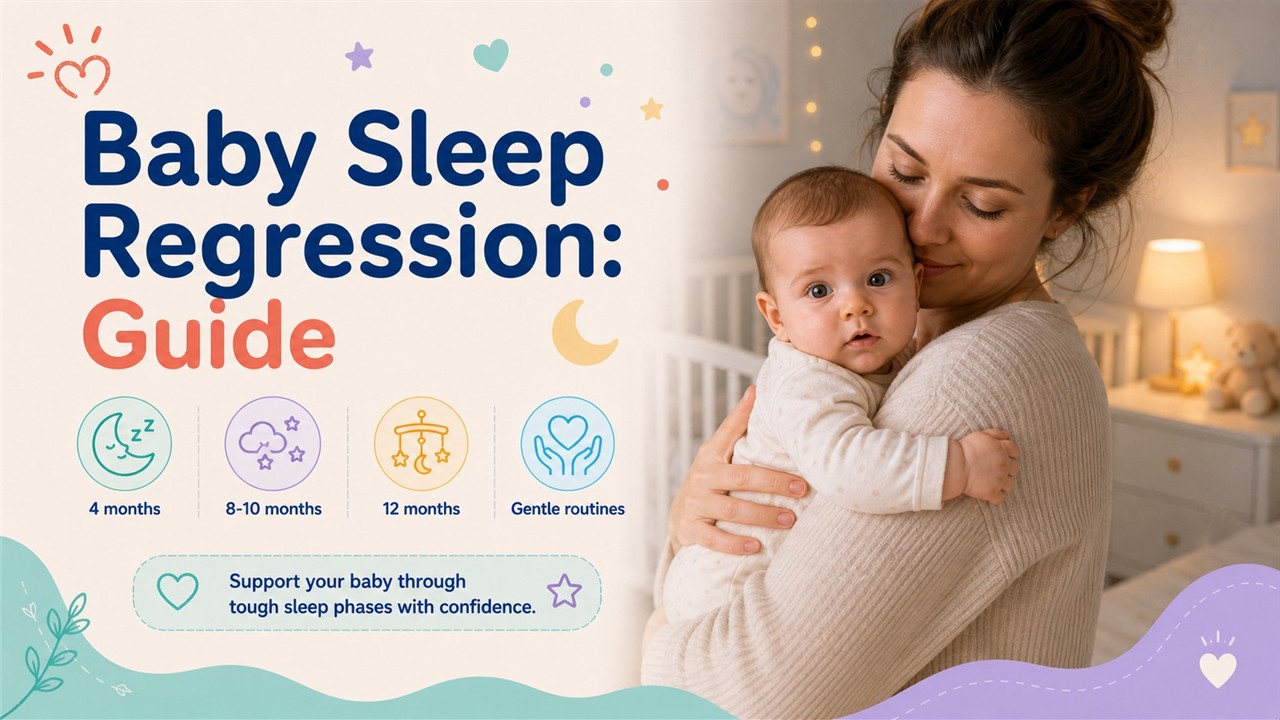
The 4-Month Sleep Regression
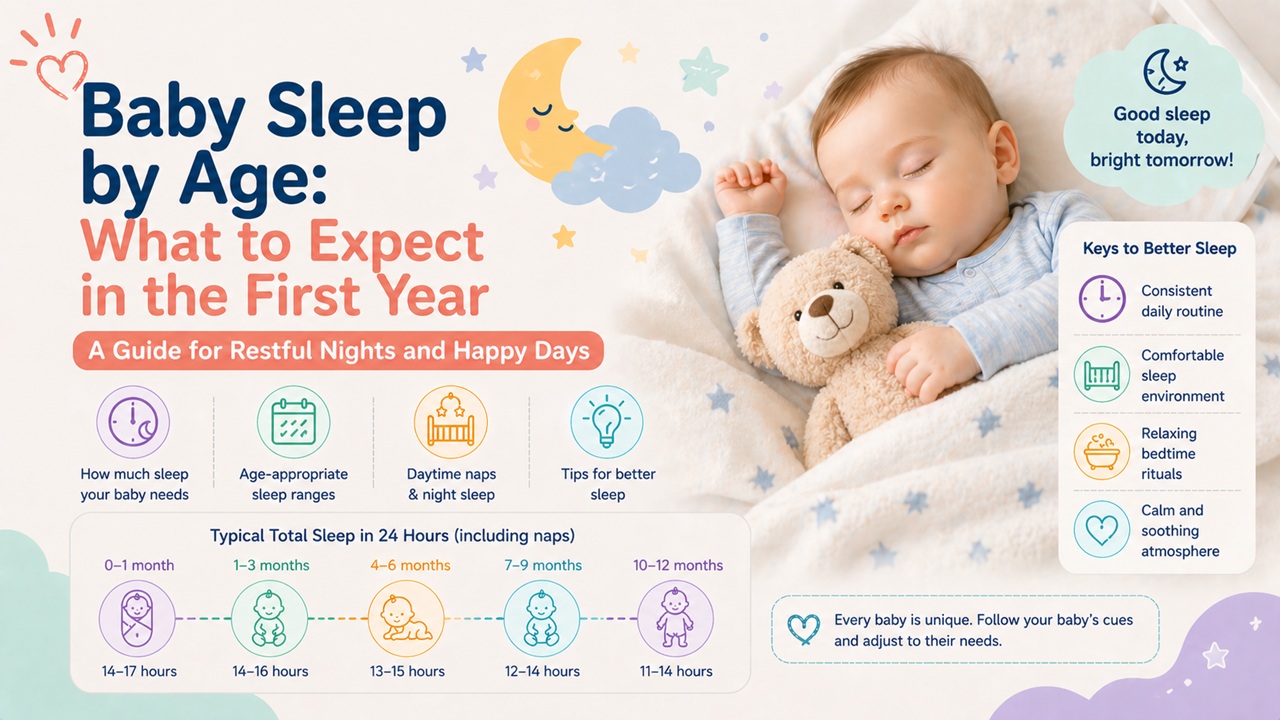
This is the big one—and the only regression that represents a permanent change in sleep architecture. Around 4 months, your baby's sleep cycles mature from the simple newborn pattern (deep sleep/light sleep) to the adult-like pattern with multiple distinct stages. This means they now briefly wake between cycles (every 45-60 minutes for naps, every 2-3 hours at night) and may struggle to connect cycles independently.
Signs: Increased night wakings (often every 2 hours), 30-45 minute naps, difficulty falling asleep, more fussiness.
Duration: 2-6 weeks, but the sleep architecture change is permanent.
What helps: This is often when parents introduce more consistent sleep routines and consider gentle sleep training approaches.
The 8-Month Sleep Regression
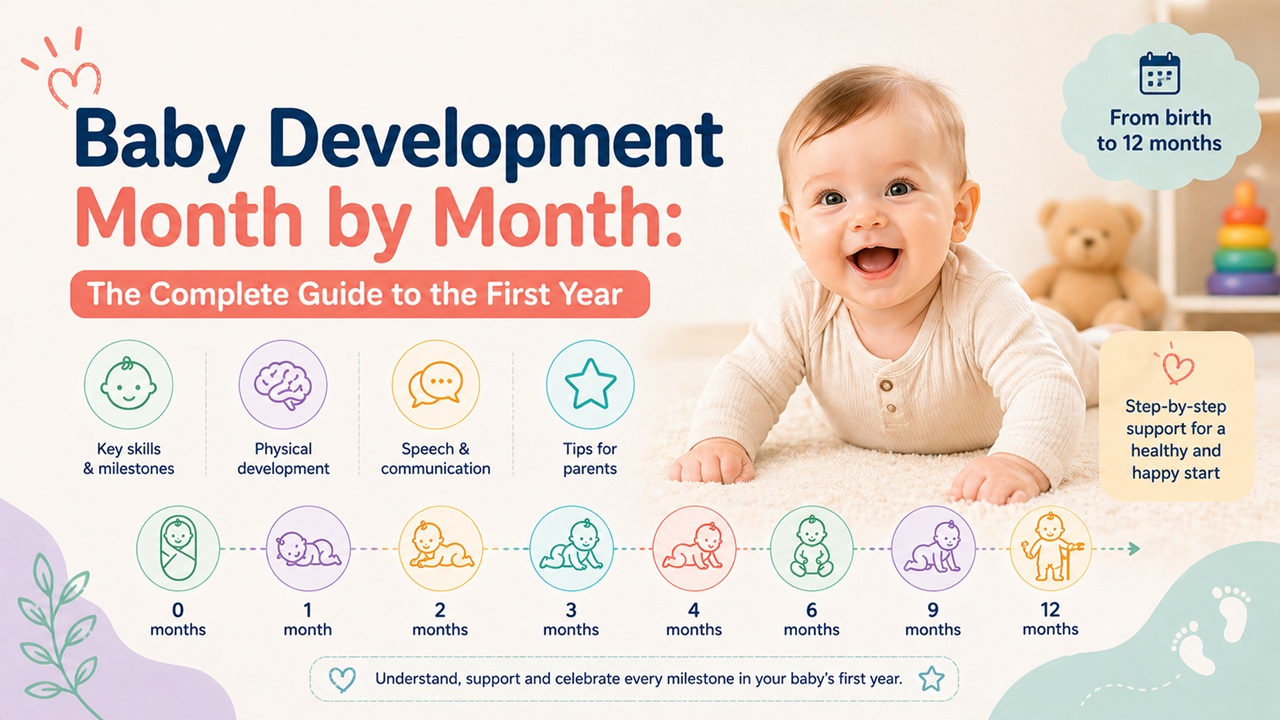
Around 8-10 months, babies are experiencing an explosion of physical development—crawling, pulling up, and possibly cruising. Their brains are literally practicing these new skills during sleep, causing them to wake up. Separation anxiety also peaks around this age, making it harder for babies to settle without a parent present.
Signs: Difficulty falling asleep (baby wants to practice standing in the crib), increased night wakings, nap resistance, clinginess at bedtime.
Duration: 3-6 weeks.
What helps: Plenty of practice time for new physical skills during the day, consistent bedtime routine, extra comfort without creating new sleep associations.
The 12-Month Sleep Regression
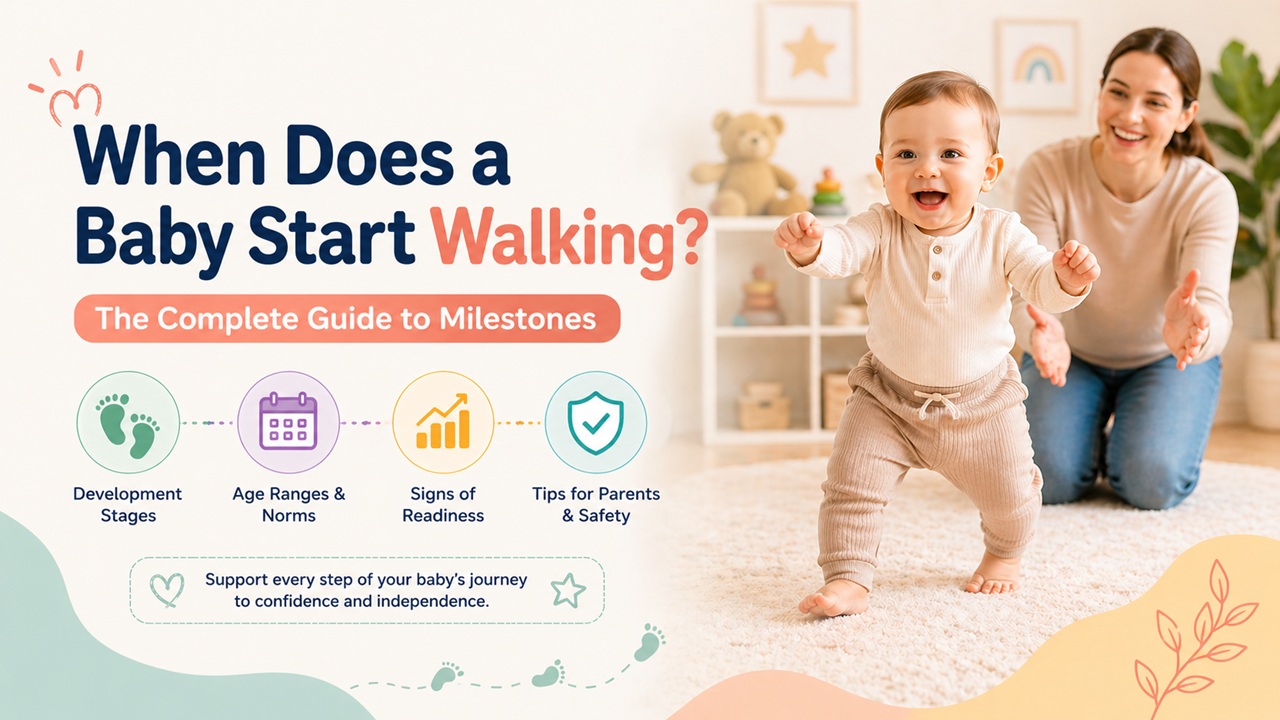
Around the first birthday, babies often resist their second nap, leading parents to think they're ready for one nap. (They're usually not—most babies aren't ready to drop to one nap until 14-18 months.) Walking attempts and language explosions contribute to this disruption.
Signs: Second nap refusal, bedtime resistance, early morning wakings, increased night wakings.
Duration: 2-4 weeks.
What helps: Keep offering two naps (don't drop to one nap yet), maintain consistent schedule, be patient.
The 18-Month Sleep Regression
This regression coincides with a major cognitive leap, teething (molars), growing independence, and the emergence of toddler willpower. Your 18-month-old may suddenly discover they can climb out of the crib or refuse bedtime as an assertion of autonomy.
Signs: Bedtime battles, new fears (darkness, separation), nap refusal, testing boundaries, possible crib climbing.
Duration: 2-6 weeks.
What helps: Clear boundaries with empathy, consistent routine, addressing fears without creating new habits you don't want long-term.
How to Tell If It's a Regression (vs. Something Else)
Not every sleep disruption is a regression. Consider other causes:
- Illness: Ear infections, colds, and fevers disrupt sleep. If your baby has other symptoms, see your pediatrician first.
- Teething: Can cause mild disruption but rarely causes severe, multi-week sleep problems on its own.
- Schedule issues: Overtiredness or undertiredness from inappropriate wake windows can mimic regression symptoms.
- Environment: Temperature changes, travel, time changes, or a new room can cause temporary disruption.
- Hunger: Growth spurts may require temporary increases in feeding.
A true regression typically aligns with a developmental burst (new skill emerging), lasts 2-6 weeks, and occurs in a baby who was previously sleeping reasonably well.
Survival Strategies
You can't prevent sleep regressions, but you can get through them without losing your sanity (entirely):
- Maintain your routine. Consistency is your anchor. Keep bedtime routines predictable even when sleep itself is unpredictable.
- Offer comfort without creating new dependencies. It's fine to provide extra soothing during a regression, but be mindful of introducing habits you'll need to undo later (like suddenly bed-sharing or rocking to sleep every time if you weren't before).
- Practice new skills during the day. If your baby is learning to crawl or stand, give them lots of daytime practice so their brain doesn't need to rehearse at 2 AM.
- Tag-team with your partner. If you have a co-parent, alternate nights so each person gets at least some unbroken sleep.
- Lower your expectations temporarily. This is not the time to night-wean, sleep train, or make major schedule changes. Survive first, optimize later.
- Watch wake windows. An overtired baby sleeps worse. Ensure appropriate awake time between sleeps for your baby's age.
- Take care of yourself. Accept help, nap when you can, lower standards on housework. Sleep deprivation is cumulative.
When to Talk to Your Doctor
Most regressions resolve on their own within 2-6 weeks. Consult your pediatrician if:
- Sleep disruption lasts more than 6 weeks without improvement.
- Your baby seems to be in pain (pulling at ears, arching back, inconsolable crying).
- Sleep issues are accompanied by other developmental concerns.
- You're experiencing symptoms of postpartum depression or anxiety worsened by sleep deprivation.
How Magerly Helps During Sleep Regressions
When you're in the fog of sleep deprivation, it helps to see the bigger picture. Magerly's milestone tracker shows you what developmental leaps your baby is going through at each age, helping you understand why sleep has gone sideways. Knowing that the 8-month regression coincides with crawling development, for example, can provide reassurance that this phase is temporary and actually a sign of healthy progress. The app's daily tips also include age-appropriate sleep guidance to help you navigate each stage.
This Too Shall Pass
Sleep regressions feel endless when you're in them, but they are always temporary. Your baby's brain is doing remarkable work—reorganizing, integrating new skills, making cognitive leaps. The disrupted sleep is an unfortunate side effect of wonderful development. Hold onto that thought at 3 AM: this phase will pass, your baby will sleep again, and on the other side of this regression, you'll find a child with new and amazing capabilities.