
Baby Separation Anxiety: Ages, Signs and Gentle Tips
Separation anxiety can feel intense, but in many babies it is a normal sign of growing memory, attachment, and understanding that favorite people can leave and come back.
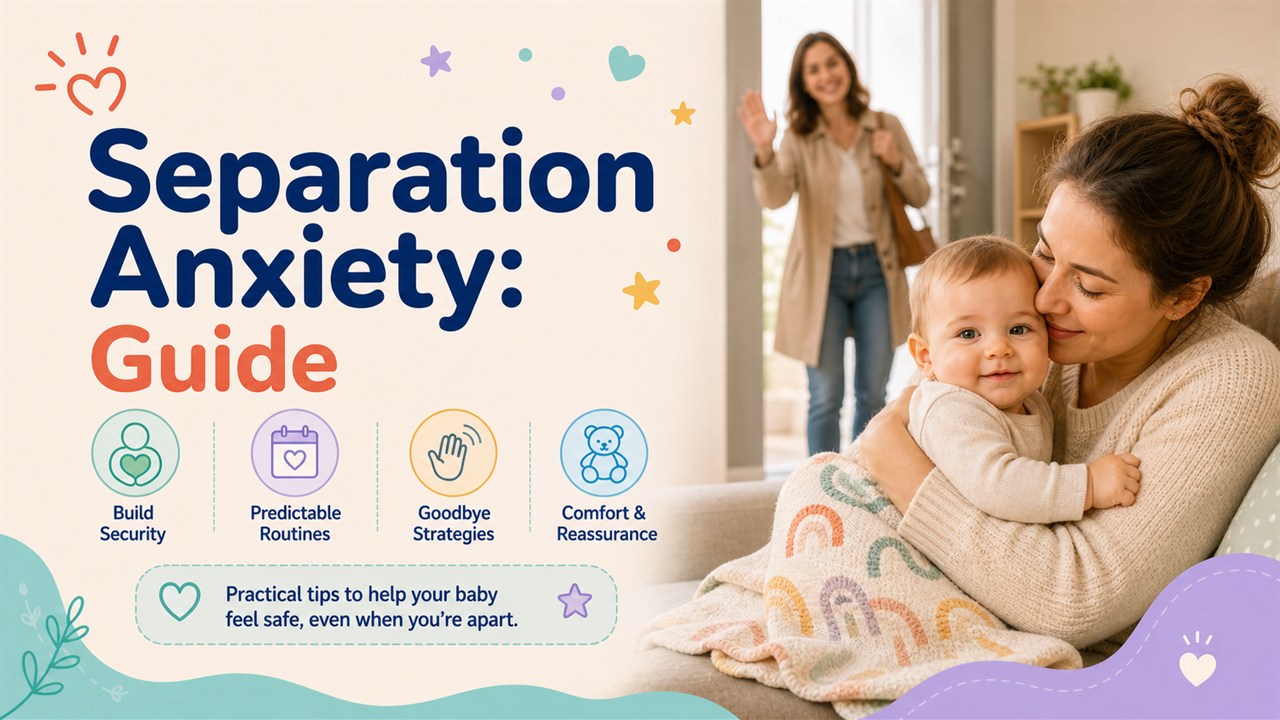
One day your baby happily lets a grandparent hold them. A few weeks later, the same goodbye brings tears. Separation anxiety can surprise parents, but it often reflects healthy development: your baby remembers you, prefers you, and is beginning to understand that you can leave the room.
For many babies, separation anxiety becomes more noticeable between 8 and 12 months, though it can appear earlier or later. It often overlaps with object permanence - the understanding that people and objects still exist when out of sight. That new awareness is exciting, but it can also make departures feel dramatic.
Common signs
- Crying when a parent leaves the room or hands the baby to someone else.
- Clinging, reaching, or crawling after a caregiver.
- Waking more often and needing reassurance.
- Being shy or cautious with unfamiliar people.
- Calming faster with familiar routines, songs, or comfort objects.
These signs are not manipulation. Your baby is communicating with the tools they have. Responding warmly does not spoil them; it helps them learn that goodbyes are safe and caregivers return.
Build a predictable goodbye
A short, consistent routine works better than sneaking away. Try a phrase like "I love you, I will come back after your nap," a kiss, a wave, and then leave. Keeping the goodbye brief prevents repeated emotional restarts.
Practice tiny separations during calm moments. Step behind a doorway and say, "I am back!" Play peekaboo. Let another trusted caregiver handle a fun activity while you stay nearby, then gradually step farther away.
Help caregivers succeed
Share what comforts your baby: a favorite song, feeding timing, nap cues, a preferred toy, or how they like to be held. If possible, let your baby spend short positive time with a caregiver before a longer separation is needed.
Transitions are easier when basic needs are covered. Try not to schedule a first big goodbye when your baby is hungry, overtired, or already overwhelmed.
Nighttime and naps
Separation anxiety can show up at sleep time because the room becomes quiet and the parent leaves. Keep the bedtime routine steady: feed, book, song, phrase, lights down. If your baby wakes, offer calm reassurance without turning the whole night into play. For sleep changes around developmental leaps, see our sleep regression guide.
What not to do
- Do not shame your baby for crying.
- Do not disappear without saying goodbye if it makes your baby more fearful later.
- Do not force hugs with unfamiliar people.
- Do not compare your baby with a sibling or friend's child. Temperament matters.
When to ask for support
Talk with your pediatrician if distress is extreme, separations are impossible for long periods despite gentle practice, feeding or sleep is significantly disrupted, your baby seems unusually withdrawn, or you notice a sudden change after illness, stress, or a family transition.
How Magerly helps you find patterns
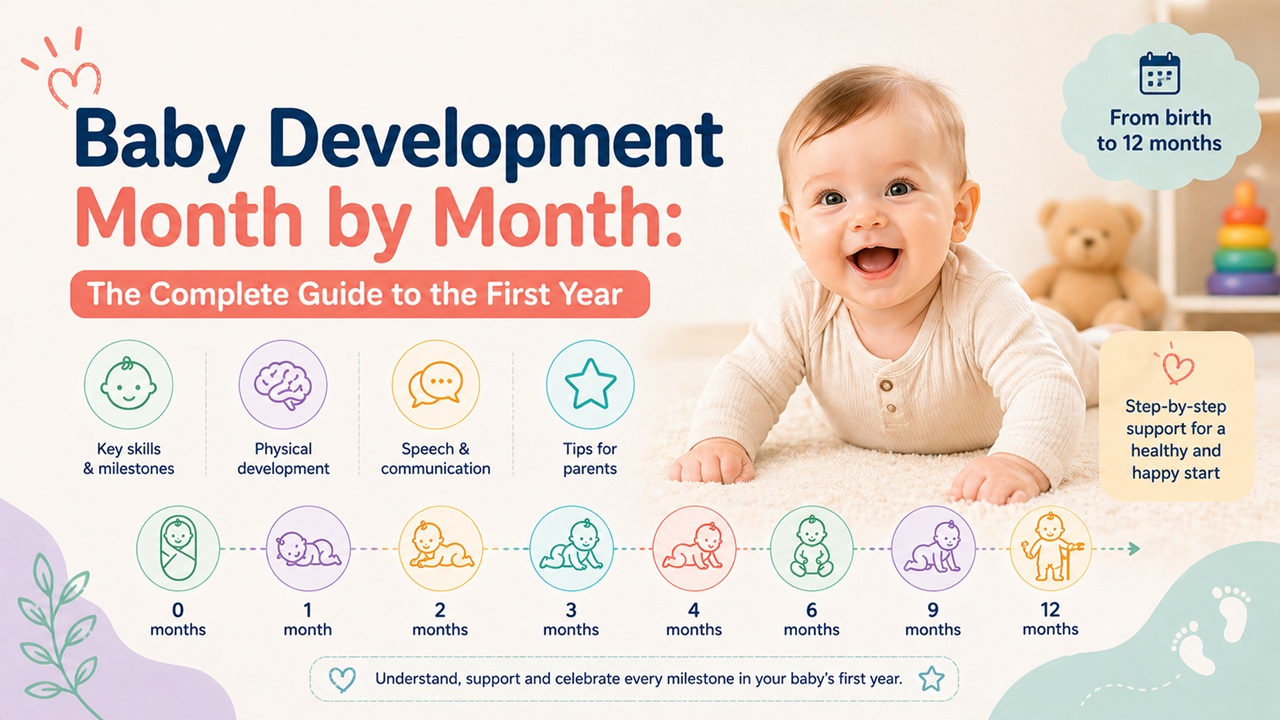
Magerly lets you track sleep, mood notes, routines, and developmental milestones in one place. Patterns can make emotional changes less mysterious. You may notice that goodbyes are harder before naps, after busy days, or during new motor milestones from our first-year milestone guide.
Separation anxiety usually softens with time, repetition, and trust. Your calm goodbye is a promise your baby will understand more deeply each month.