
Baby Nap Transitions: Moving Between Nap Schedules Gently
When a familiar nap suddenly becomes difficult, your baby may be between schedules rather than ready for an immediate permanent change.

Nap needs shift as babies grow, but transitions are rarely perfectly linear. Illness, travel, teething, new motor skills, and a short developmental phase can all disrupt sleep. Watch a pattern for several days before dropping a nap based on one difficult afternoon.
Look for a repeated pattern
Possible signs include consistently refusing one nap, taking much longer to fall asleep, waking very early after daytime sleep, or reaching bedtime without enough sleep pressure. A baby who is cranky, falling asleep during feeds, or struggling through the evening may still need the old schedule or an earlier bedtime.
Shift in small steps
- Move the target nap by 10 to 15 minutes every few days.
- Use a short quiet routine before naps.
- Offer an earlier bedtime on low-sleep days.
- Expect some days with the old schedule and some with the new one.
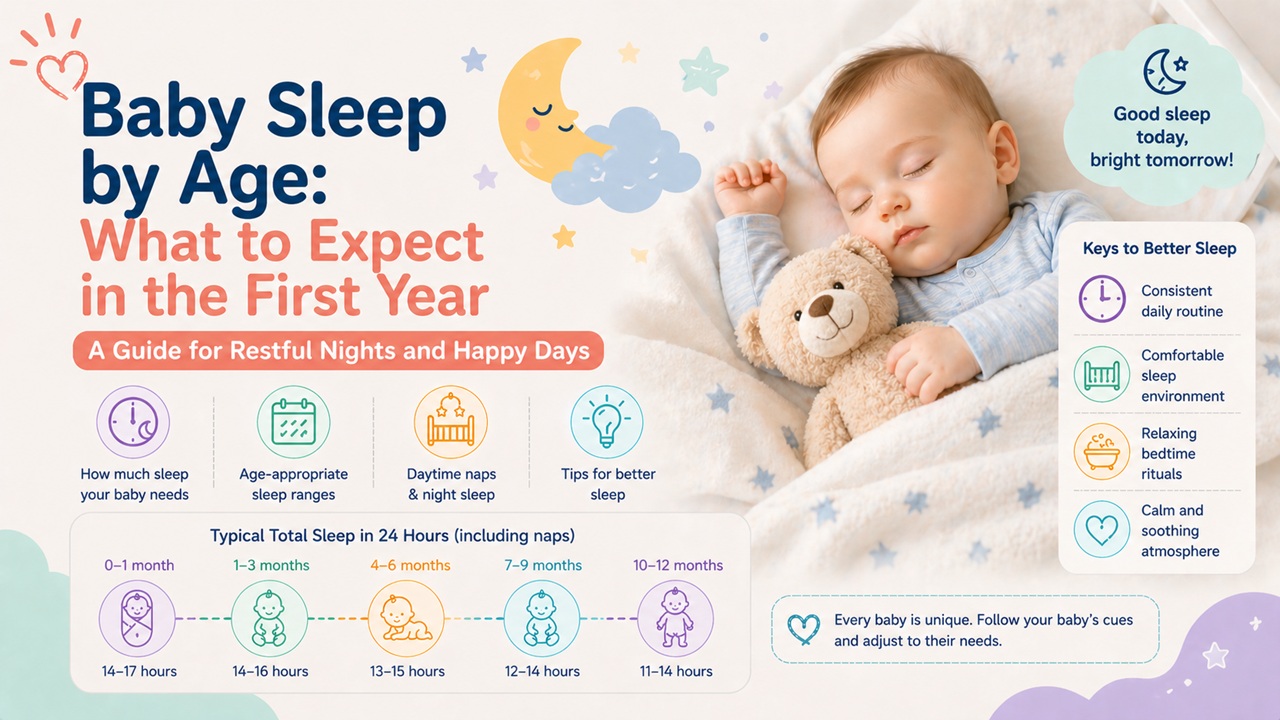
Track sleep for a week if the pattern is hard to see. Our baby sleep schedule guide provides broader age-based context without treating averages as rules.
Keep naps safe
For every sleep through the first birthday, place your baby on their back on a firm, flat sleep surface with no pillows, loose blankets, bumpers, or toys. A car seat, swing, carrier, or sofa is not a routine sleep space. Discuss persistent sleep difficulty, breathing concerns, poor growth, or unusual sleepiness with your pediatrician.
Typical transitions without rigid deadlines
Babies often move from several irregular naps toward three more predictable naps, then two, and eventually one. The timing varies widely. A schedule that fits one child at nine months may not fit another until much later, and temporary returns to an extra nap are common during illness or rapid development.
Instead of choosing a transition by birthday, watch total sleep, mood between sleeps, bedtime, and morning waking. The best schedule is the one that supports enough rest over the full day, not the one that looks most advanced.
How to tell refusal from readiness
- Readiness usually appears repeatedly for one to two weeks, not just after a stimulating day.
- The baby can stay comfortably awake longer rather than becoming distressed.
- Dropping the nap improves bedtime or another nap instead of causing a difficult evening.
- Total daily sleep remains reasonably stable.
Nap refusal may instead come from teething, separation anxiety, a dark room becoming too warm, a missed meal, or practicing a new skill in the crib. Address obvious disruptions before changing the whole schedule.
A seven-day adjustment approach
Start by moving the nap you want to keep 10 to 15 minutes later. Use daylight and calm activity to bridge the extra time. If your baby becomes very tired, offer the old schedule or a brief rescue nap rather than forcing the new timing.
Keep morning wake time and the pre-sleep routine fairly consistent. On transition days, bedtime may need to move 30 to 60 minutes earlier. After several days, review the pattern instead of judging each nap separately.
Troubleshooting common patterns
If the remaining nap becomes very short, the wake period before it may be too long. If bedtime moves later and later, daytime sleep may end too late. If early waking appears, overtiredness may be accumulating. Change one variable at a time so you can see what actually helps.
Contact your pediatrician if snoring is loud and frequent, breathing pauses, sleepiness is unusual, sleep suddenly changes alongside illness, or poor sleep affects feeding and growth. A schedule adjustment cannot resolve an underlying breathing or health problem.
Common questions about nap transitions
Should I cap a nap?
Sometimes a very late or long nap interferes with bedtime, but waking a baby is not automatically necessary. First consider total sleep and the pattern across several days. If you cap sleep, make a small change and monitor mood and night waking.
What is a rescue nap?
It is a brief extra sleep used when the new schedule leaves the baby unable to reach bedtime comfortably. It can happen in the stroller or another safe planned sleep space, but routine safe-sleep guidance still applies.
How long should I test a new schedule?
Give a modest change several days unless it clearly creates severe overtiredness. Illness and travel are poor times to judge a transition. Record wake, sleep, and mood rather than relying on memory after a hard night.
Do contact naps count?
Sleep counts regardless of how it begins, but the setup must stay safe. The adult must remain awake and should never nap with the baby on a sofa or armchair.