
Baby Fine Motor Skills: Milestones and Simple Activities
Tiny hand movements are big developmental work. From discovering fingers to picking up a small piece of food, your baby is building coordination, curiosity, and confidence one reach at a time.
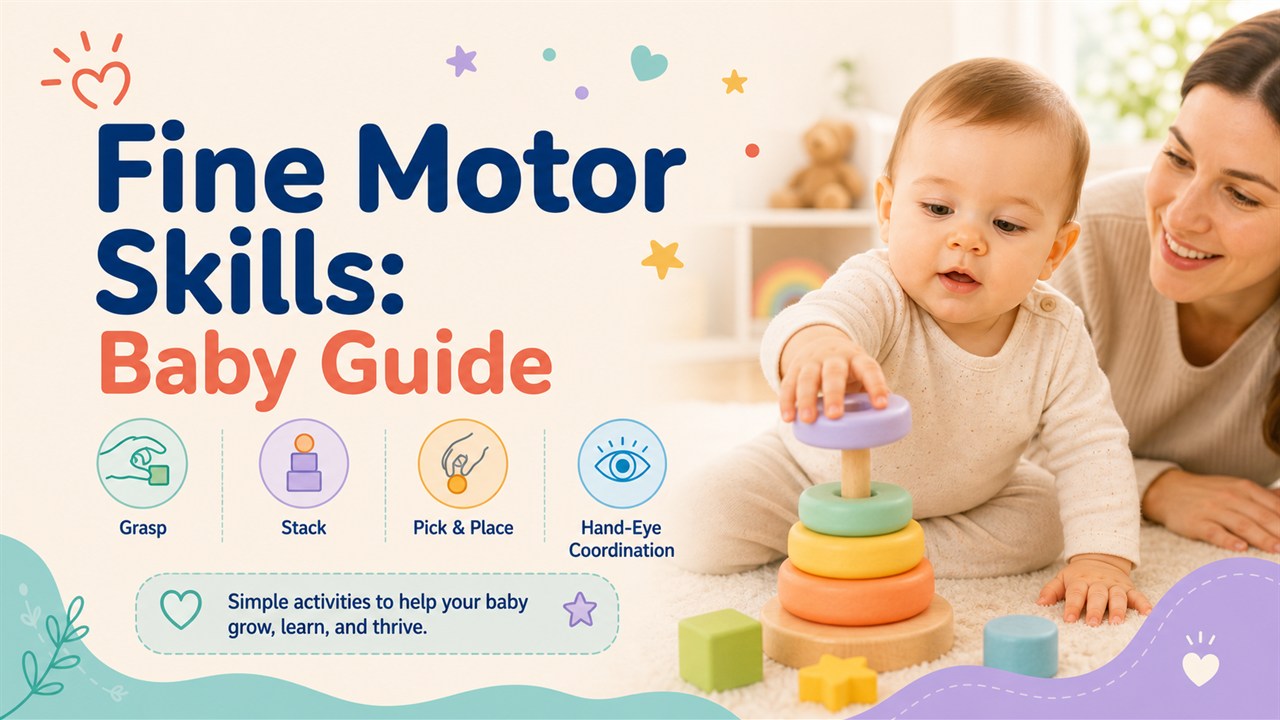
Fine motor skills are the small movements babies make with their hands, fingers, wrists, lips, and tongue. They may look simple from the outside, but each reach, grasp, shake, transfer, poke, and release asks the brain, eyes, muscles, and senses to work together. These skills eventually support feeding, turning pages, stacking blocks, drawing, dressing, and many other everyday tasks.
The first year is full of visible change. A newborn may keep hands mostly fisted, a 4-month-old may bat at toys, a 7-month-old may pass a rattle from hand to hand, and an older baby may start picking up small soft foods with a thumb-and-finger grasp. The timing varies, so the goal is not to rush. It is to offer safe, interesting chances to practice.
What fine motor skills look like by age
- 0-3 months: hands open and close, fingers touch the face, and the baby may briefly grasp a caregiver's finger or a light toy.
- 4-6 months: reaching becomes more intentional. Babies bring toys to the mouth, use both hands, and begin transferring objects.
- 7-9 months: babies explore by banging, shaking, dropping, turning, and raking small items toward themselves.
- 9-12 months: the pincer grasp emerges for many babies, making finger foods, page turning, and smaller toy play more precise.
These ranges are broad. Prematurity, temperament, opportunities for floor play, and general motor development can all affect the timeline. What matters most is steady progress and growing interest in using the hands.
Simple activities that build hand skills
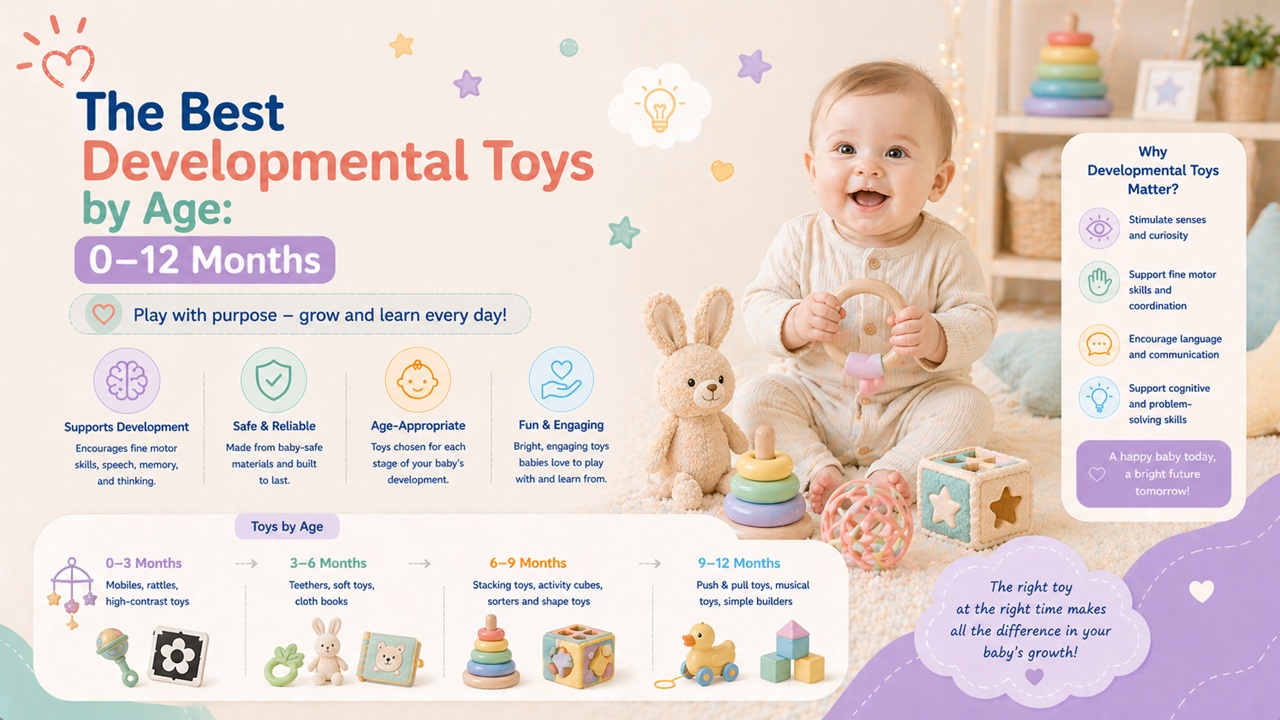
Fine motor practice does not need special equipment. A few safe household objects and your attention are usually enough. Try offering a soft rattle slightly to one side so your baby has to reach, placing a toy in one hand and then the other, or letting your baby explore a silicone teether with different textures.
For babies who can sit with support, a low basket of large, safe objects is wonderful: fabric squares, chunky blocks, a wooden spoon, a board book, or nesting cups. Let your baby choose, mouth, bang, and drop. The messier-looking repetition is how they learn weight, texture, size, and cause and effect.
Fine motor skills and feeding
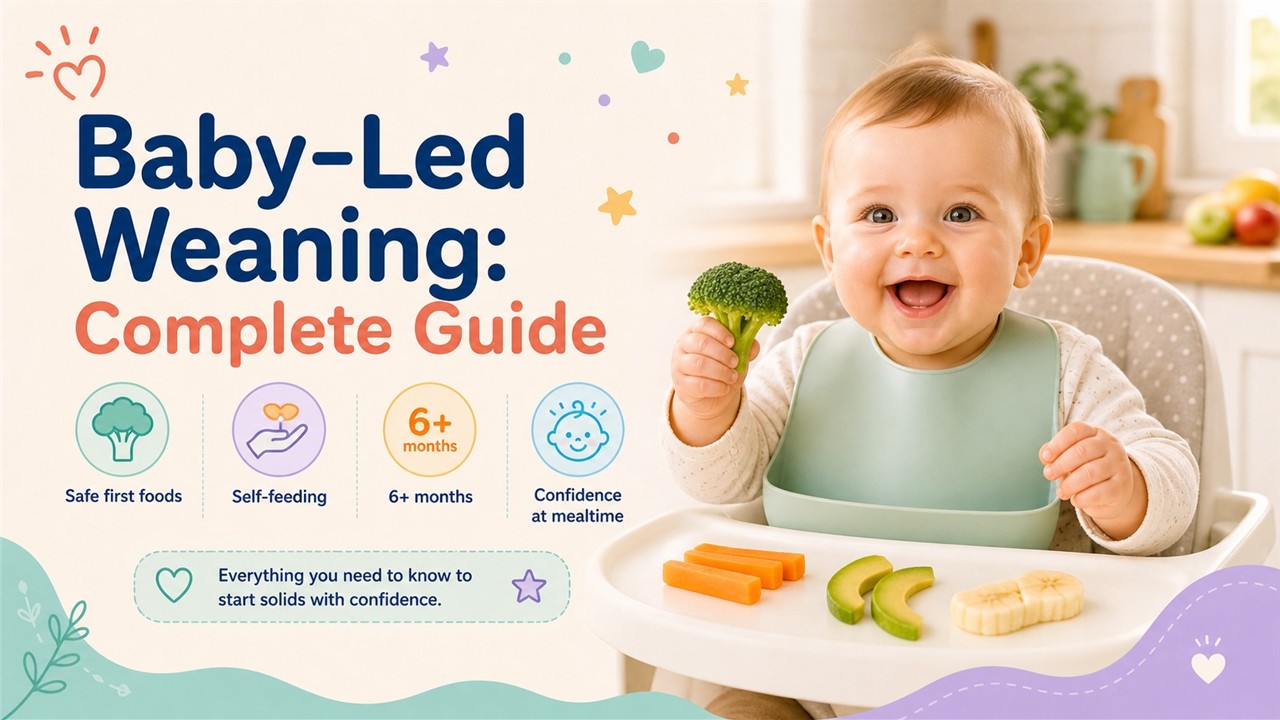
Once your baby is ready for solids, feeding becomes powerful hand practice. Picking up soft strips of food supports whole-hand grasping; later, small soft pieces help the pincer grasp. Always match food shape and texture to your baby's age and readiness, and review safe feeding guidance in our baby-led weaning guide.
Avoid tiny hard objects, whole grapes, nuts, coins, button batteries, beads, and anything that could break into sharp pieces. If an object fits through a toilet paper tube, it is often too small for unsupervised baby play.
When to ask for guidance
Every baby develops differently, but it is worth discussing concerns with your pediatrician if your baby rarely uses one hand, keeps hands tightly fisted most of the time after the early months, seems very stiff or very floppy, cannot bring hands to the mouth, loses a skill they previously had, or is not showing growing interest in reaching and grasping.
Early support can be gentle and practical. Your pediatrician may reassure you, suggest more observation, or refer you to a physical or occupational therapist who works with infants.
How Magerly helps you notice progress
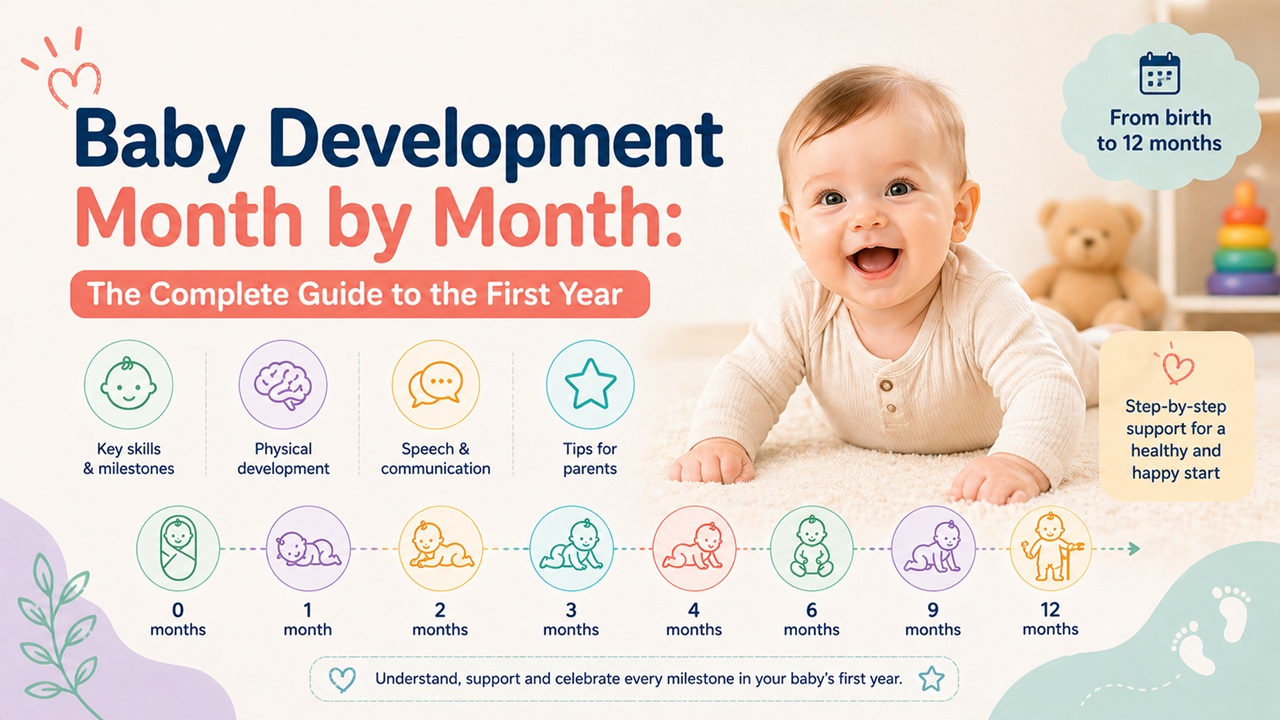
Magerly turns tiny changes into a clear record. Log new skills, add notes about favorite toys, and compare what you see with age-aware milestone checklists. For the bigger picture, pair this guide with our month-by-month first year milestone guide.
Fine motor growth is not a race. Offer safe objects, stay close, celebrate repetition, and let your baby show you what their hands are ready to discover next.