
Traveling With a Baby: A Practical Planning Guide
Travel with a baby becomes easier when you plan around essential systems rather than trying to reproduce every detail of home.
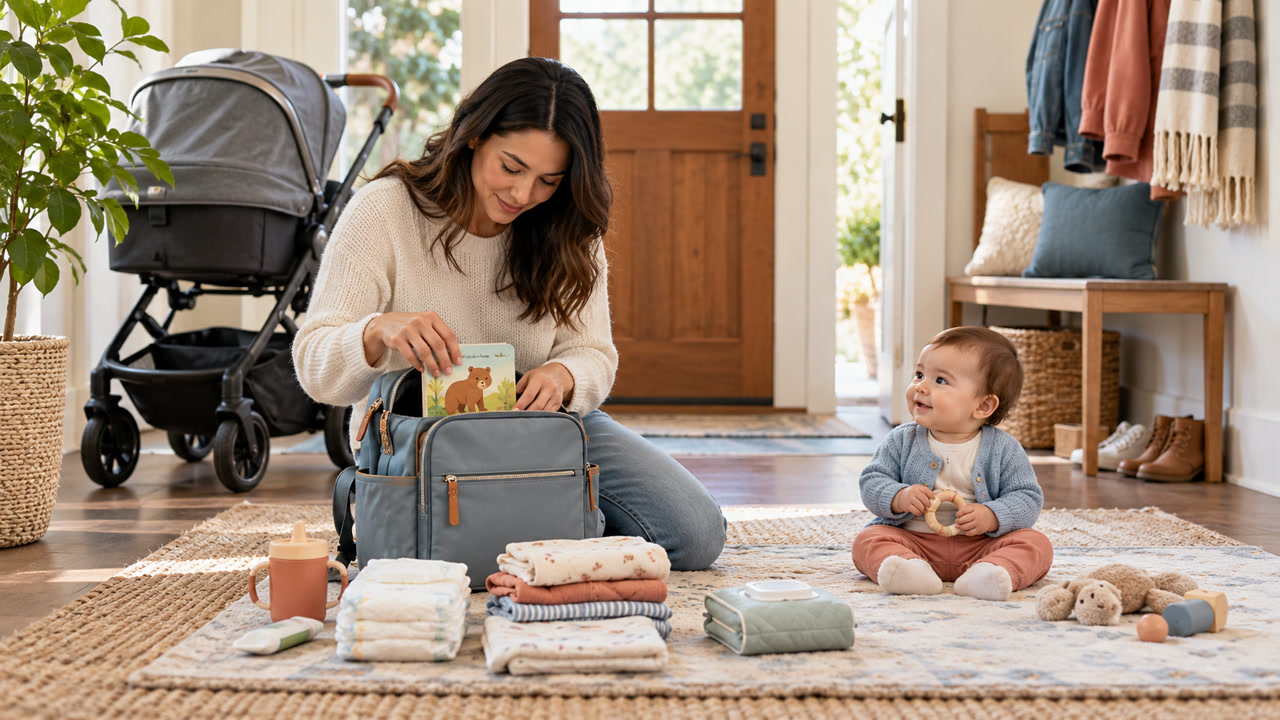
Think through five areas: safe transport, feeding, sleep, diapering, and health. Keep critical items in one carry-on bag and leave extra time for feeds, changes, and unexpected pauses.
Build a compact essentials kit
- Diapers, wipes, changing pad, spare clothes, and sealable bags.
- Feeding supplies, safe water where needed, and familiar age-appropriate snacks.
- Medicines your child already uses, thermometer, health information, and insurance details.
- One familiar book or toy, plus sun or weather protection.
Protect transport and sleep
Use an appropriate car safety seat installed according to its instructions and local law. On flights, ask the airline about an approved child restraint and baggage rules. At your destination, inspect the sleep space before bedtime and follow the same safe sleep basics you use at home.
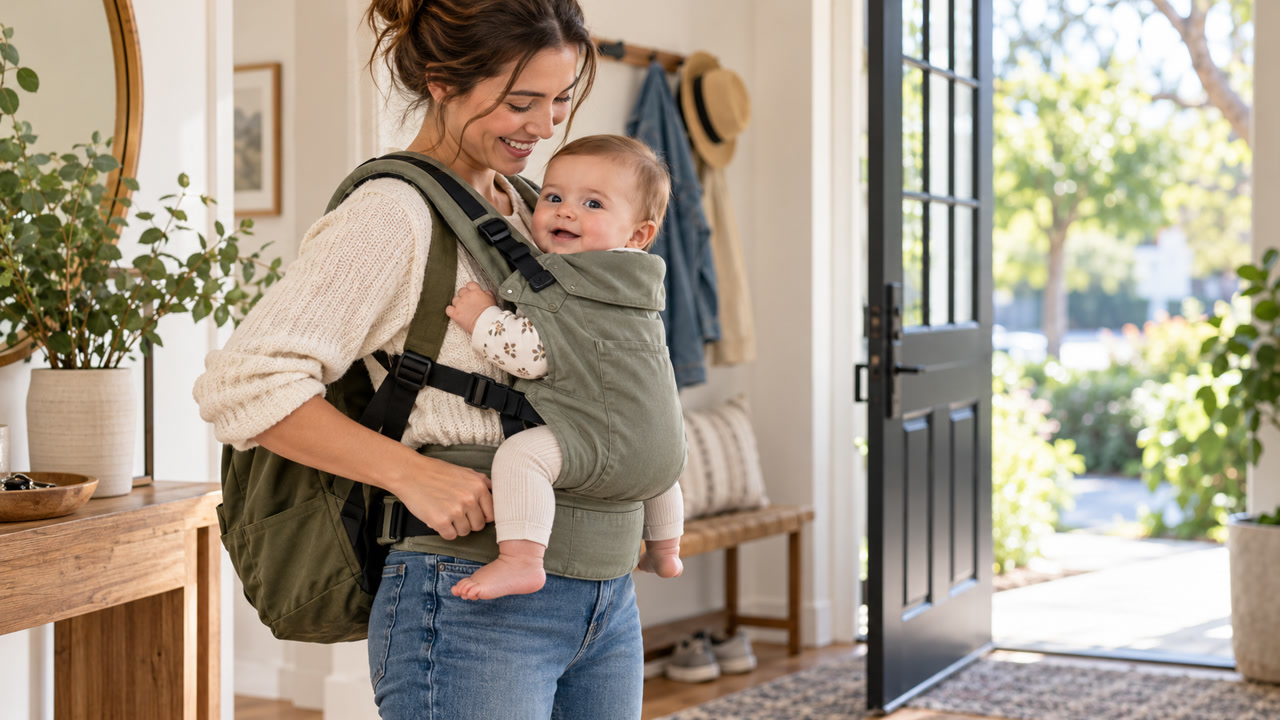
A carrier can help during transfers, but review carrier fit and airway safety first.
Keep the schedule flexible
Anchor the day with a few familiar cues such as the same song, feeding sequence, or bedtime book. Aim for daylight and gentle activity after arrival when crossing time zones. For international travel, ask your pediatrician well in advance about vaccines, medicines, food and water safety, and any health needs specific to the destination.
Check the room at baby level
Look for accessible cords, medications, cleaning products, unstable furniture, balconies, windows, hot water, pools, and gaps around portable cribs. A five-minute scan on arrival can prevent a rushed fix later.
Plan the journey in stages
Write the trip as a sequence from home to destination: leaving the house, station or airport, transport, arrival, and first night. For each stage, identify where you can feed, change a diaper, wash hands, and safely place the baby. This catches gaps that a general packing list can miss.
Keep documents, medicine, one change of clothes for both baby and caregiver, feeding essentials, and enough diapers for delays in the bag that stays with you. Divide backup supplies between bags so one lost suitcase does not remove everything important.
Car and air travel basics
- Install the car seat before departure and check the manual for clothing and harness fit.
- Plan regular stops on long drives for feeding, changing, and movement.
- Never leave a baby alone in a vehicle, even for a short errand.
- For flights, confirm restraint, stroller, liquid, and baggage rules directly with the airline.
- Allow extra time without scheduling the day so tightly that one feed causes stress.
During takeoff and landing, feeding or sucking may help some babies manage pressure changes, but do not force it. Ask a pediatrician about flying after a recent ear infection, surgery, or with heart or lung conditions.
Feeding and diapering away from home
Bring only equipment you can clean safely. Know where safe water will come from when formula preparation requires it, and follow storage rules for expressed milk and prepared formula. Pack familiar foods for an older baby while checking border restrictions on food.
A washable changing mat creates a predictable surface. Wash adult and baby hands when possible and keep dirty items separated. Carry more diapers than the schedule suggests because heat, different feeding, and delays can change normal patterns.
The first check at your accommodation
Set up the safe sleep space before everyone becomes tired. Confirm the mattress is firm and fits, and remove pillows, loose bedding, toys, and positioners. Move cords, medicine, cleaning products, hot appliances, and small objects out of reach.
Check balconies, windows, stairs, pools, and water temperature. Ask the host or hotel for a different crib if parts are missing or damaged. Familiar pajamas, a song, and a book can preserve useful sleep cues even when the clock and room are different.
Common questions about baby travel
How many diapers should I pack?
Start with your normal daily use, add enough for delays, and confirm whether your destination sells the right size. Keep a small emergency supply separate from the main bag.
Should we keep the exact home schedule?
Protect familiar cues and enough total sleep, but expect timing to move. A rigid schedule can create more stress than a flexible day with feeds, naps, daylight, and an earlier bedtime when needed.
Can a baby sleep in the car seat after arrival?
A car seat is designed for travel, not routine sleep outside the vehicle. Move the baby to a firm, flat approved sleep surface as soon as practical.
When should we postpone travel?
Ask your clinician about fever, breathing problems, dehydration, recent surgery, significant prematurity, or a condition affected by altitude or flight. Flexible tickets are useful when traveling with a young child.